
"Central America coffee market"
1000 article(s) found

Nicaragua Coffee pola Bora producing area Information introduction _ Nicaragua Guapola Coffee beans how to drink
For more information on coffee beans, please follow the Coffee Workshop (official Wechat account cafe_style) Nicaragua is located in central Central America, bordering Honduras to the north, Costa Rica to the south, the Caribbean Sea to the east and the Pacific Ocean to the west, and Managua is the capital of the country. Lake Nicaragua, with an area of 8029 square kilometers, is the largest lake in Central America. It is a magical production of the sea.

History of Coffee in South America
[Colombia] is the world's second-largest coffee producer, accounting for about 12% of the world's annual output, which is much lower than Brazil's 30% to 35%, but most of them are high-quality mountain-washed beans. Central Colombia is divided into valleys by three north-south longitudinal mountains, of which the central and eastern mountains are the main coffee producing areas. The coffee here is named after the distributed market

Coffee futures prices fell to a 13-year low, but production cuts in Central and South America led to a rebound in prices
Professional coffee knowledge exchange more coffee bean information Please follow the coffee workshop (Wechat official account cafe_style) Coffee futures prices have fallen to the lowest since 2006, as coffee futures prices have fallen to their lowest level since 2006, there will be more bad news in the coffee market. According to Bloomberg, the problem stems from global oversupply, which is largely due to
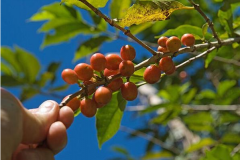
Coffee trip-Central and South America. Quality and characteristics of cultivation environment in various zones
Professional coffee knowledge exchange more coffee bean information please follow the coffee workshop (Wechat official account cafe_style) understanding Central American Coffee-Central America is the land bridge connecting North and South America, there are seven countries, namely, Belize, Costa Rica, El Salvador, Guatemala, Honduras, Nicaragua and Panama. All seven countries in Central America produce coffee, including Guatemala

Salvadoran Coffee introduces Salvadoran flavor Savivado
Professional coffee knowledge exchange more coffee bean information please follow the coffee workshop (Wechat official account cafe_style) Salvadoran coffee unique, mild taste of coffee. El Salvador is one of the small countries in Central America with a dense population. The flavor of its coffee is characterized by excellent balance. Today, this coffee accounts for 40% of the country's exports. Texture

A brief introduction to the Market Price of Fine Coffee beans in Mercedes Manor with balanced Taste
Today, this coffee accounts for 40% of the country's exports. The best quality coffee is exported from January to March, and 35% of the extra hard beans are exported to Germany. Salvadoran coffee flavor: balanced taste, excellent texture suggested baking method: moderate to deep, there are many uses of high-quality beans: Salvadoran SHB taste characteristics: sour, bitter, sweet mild moderate. Salvadoran coffee and Mexico,

A brief introduction to the Market Price of Fine Coffee Bean varieties in Mercedes Manor
Taste characteristics: sour, bitter, sweet mild and moderate. Salvadoran coffee ranks side by side with Mexico and Guatemala as the producers of Asa and Merdo, and is fighting for the top one or two places in China and the United States with other countries. The highlands of origin are large coffee beans of all sizes, which are fragrant and mild in taste. Like Guatemala and Costa Rica, coffee in El Salvador is based on altitude.

What kinds of coffee beans do you have in Latin America? How much is the price of Latin American coffee beans? half a pound
Professional coffee knowledge exchange more coffee bean information Please pay attention to the coffee workshop (Wechat official account cafe_style) at present, there is no choice for people to choose from the wide variety of coffee beans imported from all over the world. Here will introduce the main producing areas and characteristics of coffee beans in Latin America as a reference for coffee purchase. The characteristics of Central and South American taste: balanced, moderate acidity and mellow mid-south

Nicaraguan Coffee Los Congo Manor in Central America
Beautiful sour taste, moderate mellow Nicaraguan coffee belongs to the Central and South American style coffee, although the acidity is not very high, but it feels refreshing. The mellow degree is also not high, but the overall feeling is just right, neither thin nor too strong. To make it easier to accept. The taste of red wine can be vaguely felt in the shallow sour taste, which is also a major feature of Nicaraguan coffee.

What is a fine coffee in Central and South America coffee origin?
Osher Coffee was founded in 1933 and is the predecessor of Taiwan Fine Coffee. Traders offered very few types of coffee, and there was not much information available about coffee at the time of purchase. When buying coffee beans, you can only know the country name of coffee, the big classification, and at most the distribution place name. The lack of information is bound to make the coffee market difficult. Want to really understand coffee wind

Introduction to the main Coffee producing areas in the World
Coffee comes from coffee beans, which are harvested and processed from the fruit of trees. Coffee trees grow at the center of the equator, between latitudes of 25 degrees south and north, and are called the homes of tropical or subtropical countries called coffee belts. At present, there are about 60 coffee-producing countries. Coffee is produced in South America, Central America, the West Indies, Asia, Africa, Arabia, the South Pacific and

Basic knowledge of Fine Coffee in South America
[Colombia] is the world's second-largest coffee producer, accounting for about 12% of the world's annual output, which is much lower than Brazil's 30% to 35%, but most of them are high-quality mountain-washed beans. Central Colombia is divided into valleys by three north-south longitudinal mountains, of which the central and eastern mountains are the main coffee producing areas. The coffee here is named after the distributed market

Nicaraguan coffee characteristics, uses, coffee producing area & output, general situation of coffee production and marketing over the years
For the exchange of professional baristas, please follow the coffee workshop (Wechat official account cafe_style) the Republic of Nicaragua is the largest country in Central America, covering an area of 130000 1670 square kilometers. It is bordered by Honduras to the north, Costa Rica to the south, the Caribbean Sea to the east and the Pacific Ocean to the west, between latitudes 11 and 15 degrees north. The country is divided into three major geographical regions, namely, the central isthmus and the Pacific Ocean.

Brief introduction of planting Market Price of Fine Coffee Bean varieties in Goddess Manor with good sweetness
Costa Rica is geographically located in Central America, closer to South America, which has no army and only a small number of policemen to maintain law and order; here are the lucky few in Central America who have not experienced the hardships of war; there are tropical rain forests; there is beautiful tropical scenery; there are warm and cheerful people here. Costa Rica is so special, of course, it also has the pearl of the coffee world.

A brief introduction to the Market Price of Coffee varieties in Joy Manor, Nicaragua Coffee Manor
Nicaragua is now one of the poorest countries in Central America. Due to its poor economic foundation, the coffee industry is still relatively backward, while coffee farmers are in extreme poverty. Fortunately, Nicaraguan coffee has received some foreign aid funds to improve the quality of its coffee. Coffee from Madagelba, Sinodega and Segovia in Nicaragua

Basic knowledge of Fine Coffee Coffee History of South America
[Colombia] is the world's second-largest coffee producer, accounting for about 12% of the world's annual output, which is much lower than Brazil's 30% to 35%, but most of them are high-quality mountain-washed beans. Central Colombia is divided into valleys by three north-south longitudinal mountains, of which the central and eastern mountains are the main coffee producing areas. The coffee here is named after the distributed market
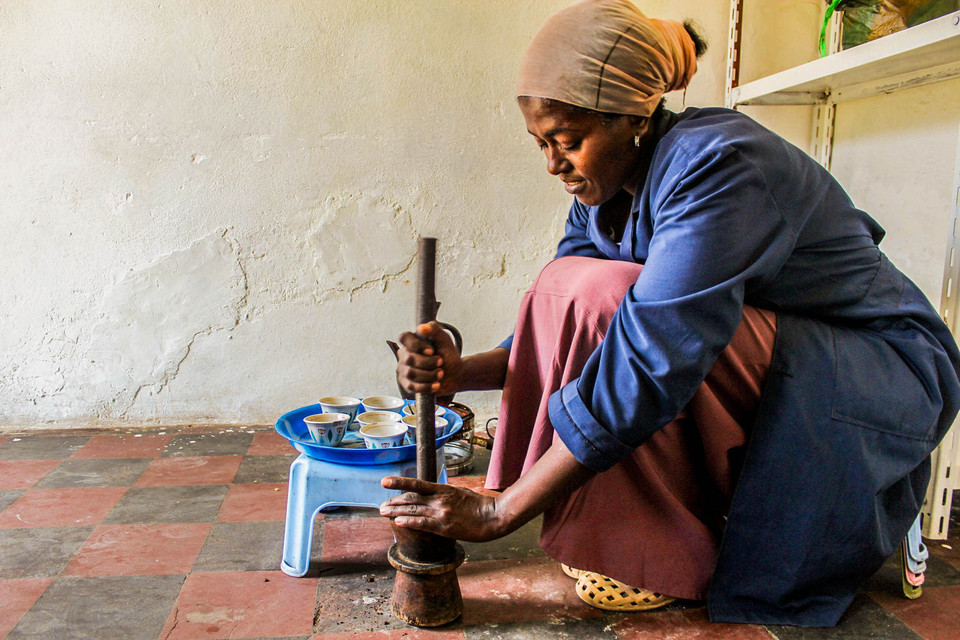
Peru SHB Fine Coffee Raw Bean Peru Origin Regional Distribution of imported Coffee beans: central and South America
The rising star of the coffee industry, Peruvian coffee as a rising star of the coffee industry, Peruvian coffee is gradually opening up its popularity and entering the international market. Peruvian coffee has always been used as one of the stable and mellow mixed beans of comprehensive coffee. Peruvian coffee has a mellow taste and the right acidity, and this lukewarm coffee attitude has made more and more people like it. Peru lies in the west of South America

The influence of delicious Central and South American Coffee beans on World Coffee what do you mean by premium coffee beans?
There are many coffee producing areas in Central America, which show their elegant demeanor in all the major coffee competitions. As an important part of boutique coffee, what is his influence on the world boutique coffee? What are his unique features worth imitating and learning? Next, let the editor study with you. The first point is that it has greatly increased the market price of coffee beans.

A brief introduction to the planting Market Price of El Qomolangma Fine Coffee Bean varieties with Light and aromatic body
In Cuscacbapa, El Salvador, coffee beans that have been packaged are about to be exported. Coffee from El Salvador is a specialty of Central America, where it is light, fragrant, pure and slightly sour. Like Guatemala and Costa Rica, coffee in El Salvador is graded according to altitude, and the higher the altitude, the better the coffee. The best brand is Pip
Basic knowledge of boutique coffee introduction to coffee in South America
[Colombia] is the world's second-largest coffee producer, accounting for about 12% of the world's annual output, which is much lower than Brazil's 30% to 35%, but most of them are high-quality mountain-washed beans. Central Colombia is divided into valleys by three north-south longitudinal mountains, of which the central and eastern mountains are the main coffee producing areas. The coffee here is named after the distributed market